 Hejian Haoyun Plastic Products Factory
Hejian Haoyun Plastic Products Factory
Hejian Haoyun Plastic Products Factory
Hejian Haoyun Plastic Products Factory
Hejian Haoyun Plastic Products Factory
One, Core Technology of Injection Molding Plastic Drum: Precision Control from Raw Materials to Finished Products
The production of injection-molded plastic drums involves four core processes: raw material pretreatment, injection molding, cooling and shaping, and post-processing. Heyuan City Good Luck Plastic Products Factory uses high-density polyethylene (HDPE) and polypropylene (PP) materials, achieving precise control of temperature (180-230℃), pressure (80-120MPa), and injection speed through a fully automated production line. For instance, when producing 5L waterproof paint drums, the mold temperature must be maintained at 60-70℃ to ensure uniform wall thickness (2.5±0.2mm). At the same time, the in-mold labeling process is used to integrate the label with the drum body, avoiding the issue of easy label detachment in traditional labeling methods.
Part Two: Technical Parameter Analysis: Meets the demands of diversified scenarios
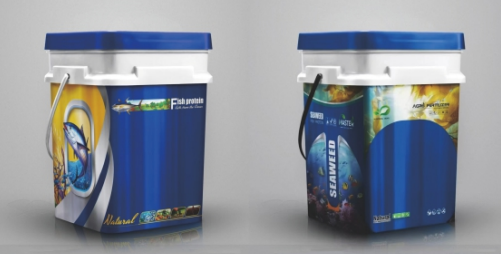
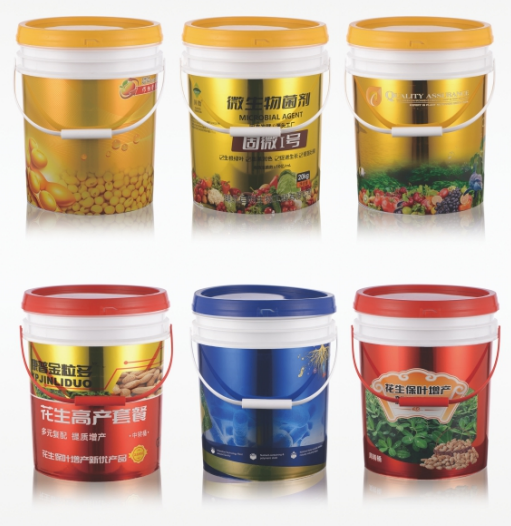
Our core products at Good Luck Plastic Products Factory cover a capacity range of 0.5L-50L, with the wall thickness adjustable according to the application scenario: agricultural fertilizer drums are designed with a wall thickness of 3.0mm to withstand 20kg stacking pressure; while biological agent drums, due to the need for long-term storage of acidic substances, are made of anti-corrosion PP material with a wall thickness of 2.8mm. In terms of sealing, the drum lid and body are designed with a threaded clip, paired with a silicone sealing ring, which can withstand a 0.5MPa pressure test without leakage. Additionally, all products pass the drop test (1.2m free fall height, 6 sides each) and stacking test (24 hours, 3 layers without deformation), ensuring safe transportation and storage.
Chapter 3: Industry Application Cases: Review of Technical Implementation Effect
In a project for a large agricultural chemical company, Good Luck Plastic Products Factory customized 20L pesticide drums to meet the following requirements: 1) The drum body must be marked with GHS hazard symbols; 2) It must pass UN certification (UN standards for the transport of dangerous goods); 3) It must be compatible with an automated filling line. The technical team achieved this through the following solutions: 1) Using thermal transfer printing technology to ensure the symbols are wear-resistant (friction test ≥ 500 times); 2) Optimizing the drum body structure design to pass the UN T11 test (pressure cycle test and stacking test); 3) The diameter of the drum mouth is designed as 50mm, precisely matching the filling line joint, improving filling efficiency by 30%. The project delivered a total of 100,000 drums, with a customer feedback failure rate below 0.1%.
4. Technical Layout and Future Direction
Good Luck Plastic Products Factory continues to invest in environmental protection technology research and development, such as: 1) Developing degradable PP raw materials, achieving an 80% degradation rate in the natural environment within 180 days; 2) Introducing an AI vision detection system for real-time identification of surface defects (such as bubbles, scratches) on drums, with a detection accuracy of 0.02mm; 3) Optimizing mold design, reducing the production cycle from 45 seconds to 38 seconds, and increasing the daily output by 15% per line. In the future, the company plans to expand into the food-grade injection molding drum field, obtain FDA certification, and meet the packaging needs of industries such as dairy products and condiments.
FAQ: Common Technical Questions and Answers
Q1: Can injection-molded plastic drums withstand high-temperature environments?
The HDPE material drum can withstand high temperatures up to 80℃ for short periods, but for long-term use, it is recommended not to exceed 60℃; for higher temperature resistance, choose PP material (resistant to 100℃).
Q2: How to choose the barrel thickness?
A: Determine based on the weight of the stored material and the number of stacking layers: for single barrel weight ≤10kg and stacking ≤2 layers, wall thickness of 2.5mm is sufficient; for single barrel weight ≥20kg or stacking ≥3 layers, a wall thickness of 3.0mm or above is required.
Q3: What is the process for customized services?
Customer provides requirements (capacity, material, function) → Technical team designs 3D model → Customer confirms and starts mold production (mold cycle 15-20 days) → Pilot production and testing → Mass production (minimum order quantity 5000 pieces).